

What is Hydroelectric Power?
From the swift currents of mighty rivers to the serene flow of small streams, water has long been recognized as a valuable and powerful resource. One of the most significant ways we harness water’s power is through the generation of hydroelectric power.
Hydroelectric power, quite simply, is electricity generated using the energy of moving water. It is a proven and mature technology, tracing its origins back to the late 19th century. The first hydroelectric power plant was built at Niagara Falls in 1881. This transformative development marked the first time humans had harnessed nature’s power on such a scale, ushering in a new era of electric power and industrial growth.
Hydroelectric power has become a key contributor to the world’s energy supply since then. In fact, it is the most widely used form of renewable energy globally, accounting for more than 70% of the total renewable electricity production. Countries like China, Canada, Brazil, and the United States are leading the way, with vast hydroelectric plants that generate a significant portion of their national electricity.
The importance of hydroelectric power cannot be overstated. As a renewable energy source, it plays a crucial role in reducing our reliance on fossil fuels, thus helping to mitigate the impacts of climate change. Hydroelectric plants produce power without burning fuels and releasing harmful emissions, making it a clean, sustainable, and environmentally-friendly choice.
The underlying concept of hydroelectric power is simple yet elegant. As water flows from higher to lower elevations, it possesses kinetic energy due to its movement. Hydroelectric power plants capture this energy and convert it into electrical energy. To do this, they typically use a dam built across a river to create a reservoir of stored water. When needed, this water is released, and its kinetic energy turns a turbine, which then drives a generator to produce electricity.
However, not all hydroelectric power comes from large dams. Some systems, known as run-of-the-river systems, divert a portion of a river’s flow through a channel or pipeline, avoiding the need for a dam and reservoir. Meanwhile, pumped storage plants generate power by moving water between two reservoirs at different elevations.
In a world grappling with climate change, the search for sustainable and clean energy sources is more crucial than ever. Hydroelectric power, with its blend of reliability, scalability, and environmental benefits, promises to be a cornerstone of our renewable energy future. In the following sections, we will delve deeper into the science behind hydroelectric power, its benefits and drawbacks, and how it compares to other renewable energy sources. We’ll explore real-world examples of hydroelectric projects around the world and glimpse into the future of this remarkable energy technology.
Hydroelectric power isn’t just a modern innovation. In fact, the use of water for power generation dates back thousands of years. Ancient civilizations, such as the Greeks, used water wheels to grind grain into flour. In the 1700s, water was used to power simple machines during the industrial revolution. The evolution from these early uses to the massive hydroelectric dams we see today is a testament to human ingenuity and the quest for more efficient and sustainable energy sources.
In the late 1800s and early 1900s, engineers discovered how to generate electricity using water. They designed water turbines, which harness the energy of falling or fast-flowing water to generate mechanical power. This mechanical power is then converted into electrical power using a generator. The first hydroelectric power plant, built on the Fox River in Appleton, Wisconsin, in 1882, had an output of just 12.5 kilowatts. But with advances in technology and infrastructure, hydroelectric plants’ capacities grew significantly.
Fast forward to the present day, and hydroelectric power plants come in all shapes and sizes. Some are small systems that serve a single home or a small community, while others are vast installations that generate power for millions of people. Take China’s Three Gorges Dam, for example. It’s the world’s largest power station of any kind, with a capacity of 22,500 megawatts.
Yet, despite its scale, the fundamental principle of operation remains the same across all hydroelectric power plants. It’s all about capturing the kinetic energy of flowing or falling water and converting it into electrical energy. This simple yet powerful process underscores the beauty of hydroelectric power – the ability to harness nature’s forces to create a reliable and renewable form of energy.
Looking ahead, the potential for hydroelectric power is enormous. As the world seeks to transition away from fossil fuels, the need for renewable energy sources will only grow. Hydroelectric power, with its high efficiency, established technology, and environmental benefits, is poised to play a critical role in this transition. It’s a testament to the power of water – a resource that’s been essential for life and civilization since time immemorial. As we continue to innovate and harness this resource in more efficient and sustainable ways, the future of hydroelectric power looks brighter than ever.
The Science Behind Hydroelectric Power
The science behind hydroelectric power is based on several fundamental principles, including the law of conservation of energy, the conversion of energy, and the utilization of gravitational force. These principles underpin the operation of hydroelectric power systems and explain how they generate electricity.
Let’s start with the law of conservation of energy. It states that energy cannot be created or destroyed; it can only change forms. In hydroelectric power systems, the energy involved comes from the water’s potential and kinetic energy, which are converted into mechanical energy and, subsequently, into electrical energy.
Potential energy is the energy that an object possesses due to its position relative to other objects. For instance, when water is stored high up in a reservoir behind a dam, it has a lot of potential energy because of its elevated position. The higher the water, the more potential energy it has.
When this water is released and allowed to flow downhill towards the power plant, its potential energy gets converted into kinetic energy—the energy an object has due to its motion. The water’s speed increases as it rushes down, increasing its kinetic energy.
This kinetic energy is what drives the turbine in a hydroelectric power plant. As the high-speed water flows over the blades of the turbine, it causes them to spin. This spinning motion is the conversion of kinetic energy into mechanical energy.
The turbine is connected to a generator, a machine that turns mechanical energy into electrical energy. Inside the generator, there’s a rotor (a set of magnets) and a stator (a set of copper coils). When the turbine spins the rotor, it creates a rotating magnetic field. This magnetic field induces a flow of electrons in the copper coils of the stator, generating electricity.
One of the key components that make hydroelectric power so effective is the gravitational force. This force is what pulls the water downwards and drives its flow from the reservoir to the turbine. The stronger the gravitational pull (which can be increased by having a high ‘head’ or height of water), the more kinetic energy the water will have, and the more power the system can generate.
In summary, the science behind hydroelectric power involves the transformation of potential energy into kinetic energy, which is then converted into mechanical energy by a turbine, and finally into electrical energy by a generator. The law of conservation of energy and the force of gravity play essential roles in this process, making hydroelectric power a renewable and efficient method of power generation.
As we continue to strive for a sustainable future, understanding the science behind renewable energy sources like hydroelectric power is crucial. By harnessing the natural processes and principles we’ve discussed, we can generate electricity in a way that’s not only efficient but also kinder to our planet. After all, the water cycle that supplies our reservoirs with water is continually renewed by solar energy and gravity, making hydroelectric power a truly sustainable energy solution.
Diving deeper into the science behind hydroelectric power, it’s important to note that hydroelectric systems can be broken down into three main types: impoundment, diversion (or run-of-river), and pumped storage. Each of these types employs the basic principles we’ve discussed, but they do so in slightly different ways.
Impoundment hydroelectric systems are the most common type and involve the construction of a dam across a river. The dam creates a reservoir of stored water with significant potential energy due to its height. When energy is needed, gates in the dam are opened, and the water flows through and spins the turbines. Impoundment systems can generate a large amount of electricity and also provide other benefits like water supply and flood control.
Diversion, or run-of-river, systems are a bit different. They don’t rely on a large dam or reservoir but instead use a portion of a river’s natural flow to spin the turbines. While they’re more environmentally friendly as they don’t require a large-scale damming of rivers, they’re also less flexible as their power output depends on the natural flow and volume of the river, which can be seasonal.
Pumped storage is a type of hydroelectric power system that works a bit like a rechargeable battery. It has two water reservoirs at different heights. During periods of low electricity demand, excess electrical energy from the grid is used to pump water from the lower reservoir to the upper one, storing energy in the form of gravitational potential energy. Then, during periods of high electricity demand, the stored water is released back down to the lower reservoir, passing through turbines and generating electricity in the process.
Beyond these broad types, advancements in technology and design have led to the development of variations and innovations in hydroelectric systems. For example, ‘micro-hydro’ systems are small installations that can provide power for a single home or small community. Meanwhile, ‘tidal power’ systems generate electricity from the movement of the tides, a form of hydropower that doesn’t rely on rivers at all.
In conclusion, the science behind hydroelectric power is both simple and elegant. It utilizes the Earth’s natural water cycle, the force of gravity, and some clever engineering to convert the energy in flowing water into a form we can use to power our modern world. The different types of hydroelectric systems offer a range of solutions that can be tailored to the specific geographical and environmental conditions of each location, making hydroelectric power a versatile and valuable part of our global energy mix.
The Benefits of Hydroelectric Power
Hydroelectric power, as we’ve learned, is a type of renewable energy that comes from the conversion of the energy in flowing or falling water. But what makes this power source particularly appealing? Let’s delve into some of the notable benefits of hydroelectric power.
First and foremost, hydroelectric power is renewable. This means that, unlike fossil fuels such as coal or gas, the energy source (water) is not depleted by use. Our planet has an abundant and continuous supply of water through the natural water cycle of evaporation, condensation, and precipitation. This means we can keep producing hydroelectric power indefinitely without the fear of running out of resources.
Secondly, hydroelectric power is clean. In the process of generating electricity, hydroelectric power stations do not release harmful pollutants into the atmosphere. There are no emissions of carbon dioxide, sulfur dioxide, or nitrogen oxides, which are common in fossil fuel-based power generation and contribute to air pollution and climate change. Therefore, transitioning to hydroelectric power can play a crucial part in reducing the global carbon footprint.
Another significant benefit is the efficiency of hydroelectric power. Modern hydroelectric power plants can convert up to 90% of the available energy in water into electricity. This is notably higher than the efficiency of most other types of power plants. For instance, the most efficient natural gas power plants convert about 50-60% of the energy in the gas into electricity, while for coal power plants, the figure is even lower.
Moreover, hydroelectric power plants are generally very reliable and have long lifespans. With no high-temperature combustion processes involved, the wear and tear on equipment is less compared to fossil fuel power plants. And once a hydroelectric plant is built, it can continue generating electricity for many decades, sometimes even more than a century, with appropriate maintenance.
Hydroelectric power is also versatile and adaptable to demand. It has the unique capability of starting up quickly and adjusting the output level swiftly. Therefore, hydroelectric power plants can provide a “load-following” service, meaning they can easily adjust their electricity production to match the changing demand throughout the day. In particular, pumped-storage systems can act like giant batteries, storing energy when demand is low and releasing it when demand is high.
Furthermore, the reservoirs created by hydroelectric dams provide opportunities for water storage and recreational activities. They can supply water for irrigation, human consumption, and industrial use. Additionally, they often become local recreational hotspots, offering boating, fishing, and swimming opportunities.
However, it’s crucial to note that while hydroelectric power has many benefits, it’s not without its challenges. Potential impacts on local ecosystems, the displacement of communities due to dam construction, and the significant upfront costs of building a hydroelectric plant are all important considerations. Nevertheless, with careful planning and management, many of these issues can be mitigated.
In conclusion, the benefits of hydroelectric power are numerous. It’s a renewable, clean, efficient, reliable, and flexible source of energy. As we continue to grapple with the challenges of climate change and the need to transition to a sustainable energy future, hydroelectric power is undoubtedly a key piece of the puzzle.
In addition to being renewable and clean, hydroelectric power offers other benefits that extend into social and economic aspects. For instance, hydroelectric power projects can stimulate local economies through job creation. Not only during the construction phase, but also in the operational stage, these projects offer a range of job opportunities that can be a boost for local communities. They may also contribute to the development of infrastructure, such as roads and bridges, which can improve the quality of life in the area.
A significant advantage of hydroelectric power is its ability to provide power to isolated locations. In many developing countries, small-scale hydroelectric projects can be a cost-effective solution to bring electricity to remote communities. This form of power generation can play a significant role in rural electrification, enhancing the livelihood of millions of people who otherwise would have limited access to energy.
Hydroelectric power also contributes to energy security at the national level. It reduces the reliance on imported fuels, which can be subject to price volatility and supply disruptions. As water is a domestic resource, countries with hydroelectric power capabilities can have more control over their energy supply, providing a certain level of resilience.
Moreover, hydroelectric plants often coexist with other beneficial facilities, like flood control, irrigation systems, and potable water supply. For instance, the reservoir behind a dam can provide valuable water storage capacity, helping regions manage periods of drought and reducing the risk of floods.
In essence, the positive impacts of hydroelectric power extend far beyond energy production. They ripple out, touching many aspects of life, from the local communities living nearby to the wider economic and environmental health of a nation. However, these benefits should be balanced with a careful understanding of potential environmental and social impacts. These aspects will be discussed further in the next section “The Drawbacks of Hydroelectric Power”.
By understanding and appreciating the benefits of hydroelectric power, we can see why it has been, and continues to be, such a fundamental part of the world’s energy mix. Its advantages help explain why nations around the globe are keen to harness the power of their water resources in a quest for sustainable and reliable energy.
The Drawbacks of Hydroelectric Power
While hydroelectric power boasts a wealth of advantages, it also comes with its own set of challenges and drawbacks. Understanding these is crucial in order to make informed decisions about its deployment and management.
One of the primary concerns associated with hydroelectric power is the potential environmental impact, especially in terms of its effect on local ecosystems. The construction of dams, necessary for most hydroelectric projects, can significantly alter the natural flow of rivers and streams. This alteration can lead to changes in water temperature, flow velocity, and sediment load, all of which can adversely affect aquatic life. Fish populations, for instance, can suffer due to disruptions in their migration patterns or breeding habits.
Another crucial factor to consider is the large land area required for hydroelectric facilities. This need often results in the displacement of local communities and wildlife, sometimes causing serious social and ecological repercussions. The creation of a reservoir can inundate agricultural lands, forests, and even whole communities, necessitating the relocation of people and animals. The social impacts of such displacements can be extensive, leading to potential conflicts and legal disputes.
Moreover, while hydroelectric power does not emit greenhouse gases during operation, the construction of these plants can lead to significant carbon emissions. The process involves intensive activities such as mining for materials, transportation, and the physical act of building the infrastructure, all of which contribute to carbon emissions. Also, the reservoirs created by hydroelectric dams can release methane, a potent greenhouse gas, due to the decomposition of organic matter in the flooded areas.
Hydroelectric power is also subject to the vagaries of weather and climate. In areas with seasonal rainfall, power generation can fluctuate throughout the year. Extended periods of drought can significantly reduce the power output of hydroelectric plants, leading to energy shortages. This vulnerability to weather patterns makes hydroelectric power less reliable in certain regions.
Finally, the cost and complexity of constructing hydroelectric facilities should not be overlooked. Building a dam is a massive and costly undertaking that requires careful planning and considerable financial investment. Once a plant is operational, it can produce cheap electricity for many years. However, the initial outlay can be a barrier, particularly for developing countries.
In conclusion, while hydroelectric power offers a multitude of benefits, it also poses significant challenges and risks. A comprehensive understanding of these issues is key to making informed decisions about the deployment of hydroelectric power. Balancing the benefits and drawbacks, while considering the specific characteristics of each location, is crucial to leveraging this source of energy sustainably and ethically. Understanding these dynamics will also help in formulating policies and regulations that can guide the responsible development of this valuable resource.
Case Studies: Hydroelectric Power Around the World
When we discuss hydroelectric power, it can be illuminating to delve into specific examples of its implementation around the world. This way, we can appreciate its potential and recognize the challenges that need to be addressed. Let’s journey across the globe and examine a few notable cases.
Our first stop is China, home to the largest hydroelectric power plant in the world – the Three Gorges Dam. Spanning the Yangtze River, this enormous facility has an installed capacity of over 22,500 Megawatts (MW). Since it began operations in 2003, the Three Gorges Dam has been producing massive amounts of electricity, contributing substantially to China’s energy mix. However, the project has also faced controversy due to significant displacement of communities, ecological changes, and seismic activity attributed to the dam’s massive weight.
Our next stop is South America. The Itaipu Dam, straddling the border between Brazil and Paraguay, is one of the most productive hydroelectric plants worldwide, boasting an installed capacity of 14,000 MW. The dam’s construction was an example of successful international collaboration but also underscored the challenges associated with such large projects. Although it provides a large proportion of both countries’ energy needs, the dam has also been associated with environmental changes and social disputes arising from the displacement of local populations.
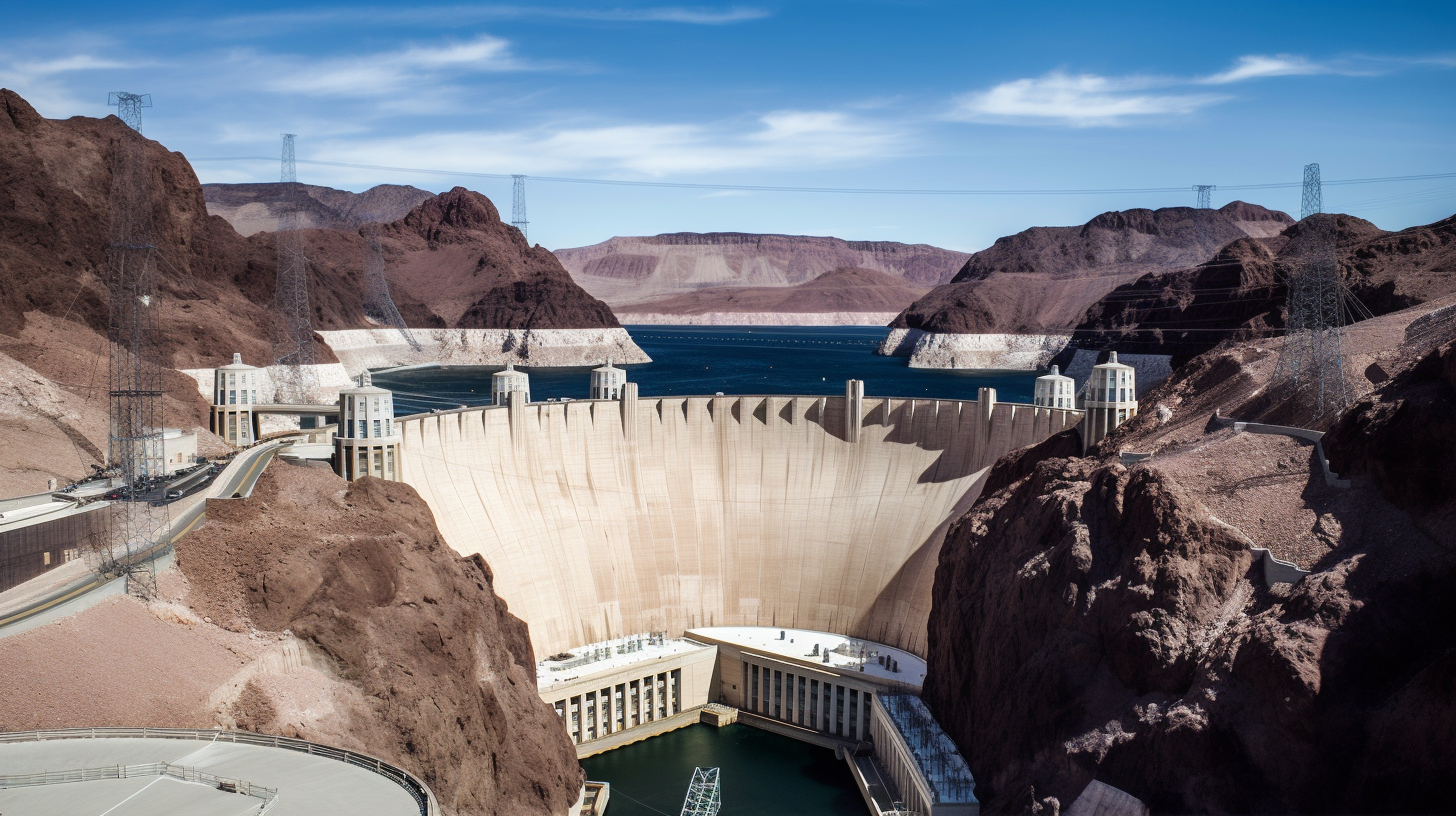
In North America, the Hoover Dam stands as a testament to the potential of hydroelectric power. Built during the Great Depression, it was a significant achievement in engineering that transformed the American Southwest, providing irrigation, flood control, and power to a vast area. The Hoover Dam has an installed capacity of over 2,000 MW. Yet, despite its benefits, the dam also sparked concerns about water rights and the impact on downstream ecosystems.
Our final stop is in Africa, at the Grand Ethiopian Renaissance Dam. This hydroelectric project, still under construction, exemplifies the hopes and controversies surrounding hydroelectric power on the continent. Once completed, it will be the largest dam in Africa, with an installed capacity of 6,450 MW. It promises to address Ethiopia’s severe power shortage and spur economic development. However, it has also been the subject of international disputes involving water rights with downstream nations, notably Egypt and Sudan.
In conclusion, these case studies of hydroelectric power facilities across the world highlight the potential of hydroelectricity as a significant renewable energy source. They also underline the complexity and challenges that come with implementing such large-scale projects. Environmental impact, social displacement, international disputes, and significant upfront costs are all factors that must be carefully considered and addressed. Nevertheless, the examples also underscore the critical role hydroelectric power can play in delivering clean energy, creating opportunities for economic development, and contributing to a sustainable future.
Costa Rica, a country known for its dedication to renewable energy. Costa Rica operates several hydroelectric plants, and one remarkable project is the Reventazón Hydroelectric Plant. With a capacity of 305.5 MW, it may not compare to the likes of Three Gorges or Itaipu, but it’s the largest in Central America. More importantly, during its construction, extensive efforts were taken to minimize environmental impacts, including a program to protect local wildlife. This project demonstrates that hydroelectric power, when thoughtfully implemented, can align with broader environmental conservation goals.
Next, we travel to Norway, a country where hydroelectric power dominates the energy mix. Norway’s geography of high mountains and deep valleys creates an ideal environment for this type of energy production. A noteworthy project is the Rjukan Falls hydroelectric plant. Dating back to the early 20th century, it was built to harness the power of a significant waterfall. What makes the Rjukan plant particularly interesting is how its associated infrastructure, including a whole town and transportation system, was designed to support the plant’s operation and its workers.
Let’s now visit Nepal, a country that uses its mountainous terrain to its advantage. Small-scale hydroelectric plants are common in Nepal, providing power to remote areas that might otherwise struggle to access reliable electricity. These micro-hydro projects often have a capacity of just a few hundred kilowatts but can power entire villages. The Andhikhola Hydel and Rural Electrification Project is one such example. Not only does it provide electricity to rural communities, but it has also implemented a successful program to replace wood-burning cook stoves with electric ones, reducing deforestation and indoor air pollution.
Finally, we’ll look at the United States’ oldest operating hydroelectric facility: Appleton, Wisconsin’s Vulcan Street Plant. First operational in 1882, this small plant showcased the promise of hydroelectric power early on and is now a historic landmark.
These examples demonstrate hydroelectric power’s versatility, from mega-projects serving vast areas to small-scale plants providing local power. They also highlight the importance of considering environmental, social, and historic factors in the planning, operation, and maintenance of these facilities. Understanding these diverse case studies can provide valuable insights as we consider hydroelectric power’s role in our energy future.
Comparing Hydroelectric Power to Other Renewable Energy Sources
Understanding hydroelectric power’s place in the broader landscape of renewable energy sources can provide important insights into its strengths and limitations. In this section, we’ll compare hydroelectric power to several other prominent renewable energy sources: solar, wind, and geothermal energy.
Solar Energy
Solar energy is derived from the sun’s radiation, captured and converted into electricity by solar panels. It’s an abundant resource—after all, the sun shines everywhere, at least part of the time—and it’s inherently clean, producing no emissions during operation. It’s also scalable, ranging from small rooftop installations to vast solar farms.
In comparison, hydroelectric power requires a specific geographic setup—namely, flowing water and a significant change in elevation—to generate electricity. It’s not as universally applicable as solar power, but where the conditions are right, it can generate significant amounts of energy.
One notable advantage of hydroelectric power over solar is its predictability. Solar power production is dependent on sunlight, which can vary greatly due to weather and time of day. In contrast, a well-managed hydroelectric plant can produce a steady, reliable output.
Wind Energy
Wind energy, harnessed by wind turbines, is another significant renewable energy source. Like solar power, it’s clean and abundant. Wind farms can be established on land or offshore, expanding their potential reach.
However, similar to solar energy, wind power’s production is dependent on environmental conditions—in this case, wind speed. Wind is not always predictable, and calm conditions mean no power production. On the other hand, hydroelectric power plants, particularly those with reservoirs, can store potential energy for use when demand is high, making them more reliable and able to respond to fluctuations in electricity demand.
Geothermal Energy
Geothermal energy harnesses the Earth’s internal heat. This heat can be used directly for heating or converted into electricity. Like hydroelectric power, geothermal energy is very reliable—it’s available 24/7, regardless of weather or season. However, geothermal resources are not available everywhere. They’re typically found in regions with active or geologically young volcanoes.
Hydroelectric power and geothermal energy share some similarities in their site-specific nature and their ability to provide reliable power. However, hydroelectric power has been more widely adopted, largely due to its potential for large-scale electricity production and the longer history of its technology.
In conclusion, hydroelectric power holds its own in the renewable energy world. It provides a unique combination of reliability, scalability, and geographic specificity that sets it apart from other renewable energy sources. However, just like those other sources, its effectiveness and sustainability depend greatly on how it’s managed. A balanced energy portfolio that includes a variety of renewable energy sources—including hydroelectric power—will likely be key to our sustainable energy future.
Biomass Energy
Biomass energy refers to the energy derived from organic materials, such as plants and animal waste. These materials can be burned directly for heat or converted into biofuels that can generate electricity. Biomass is technically renewable, since we can always grow more plants or produce more waste. However, it’s not necessarily environmentally friendly. Burning biomass produces greenhouse gases, although sustainable management practices can help mitigate this impact.
In contrast, hydroelectric power doesn’t emit greenhouse gases during operation, giving it a clear environmental advantage. However, biomass has its own edge in terms of applicability. It doesn’t require specific geographic features, and it can make use of waste materials, making it a more versatile source of energy.
Tidal Energy
Tidal energy is another form of hydropower that uses the energy of ocean tides to generate electricity. The predictable movement of water during tides can be harnessed by underwater turbines, similar to wind turbines, albeit on a much larger scale.
Tidal energy and hydroelectric power share some commonalities. They both involve the movement of water and have high predictability, providing a consistent energy output. However, they differ in their applicability. Tidal power requires proximity to the sea and specific tidal conditions, limiting its potential locations. Hydroelectric power, while also somewhat location-dependent, has a broader range of suitable sites worldwide.
Conclusion
Hydroelectric power, like all renewable energy sources, has unique strengths and weaknesses. It is highly reliable, environmentally friendly, and capable of large-scale production, which sets it apart from many other renewable energy sources. Yet, its dependency on specific geographic features can be a limitation, unlike solar or biomass energy. Therefore, when constructing a sustainable energy future, it is crucial to consider a balanced mix of these diverse energy sources, each contributing its unique strengths to a robust and resilient energy grid. The role of hydroelectric power in this mix remains substantial, acknowledging its proven technology and significant contributions to global electricity supply to date.
Innovations and Future Trends in Hydroelectric Power
When it comes to hydroelectric power, the future holds an array of exciting possibilities. As the global community continues to prioritize sustainability and renewable energy, innovations in hydroelectric power are rapidly evolving, aiming to increase efficiency, reduce environmental impact, and find creative new ways to harness the energy of flowing water.
Perhaps the most significant area of innovation in hydroelectric power is in the field of technology and design. For example, engineers are developing new types of turbines that are more efficient, less harmful to fish and wildlife, and better able to cope with the changing conditions caused by climate change. These include improvements in the design of traditional turbines as well as completely new designs, like the helical turbine, that can operate efficiently at low flow rates and are safer for aquatic life.
Small hydro systems are also becoming increasingly popular. These smaller systems can generate up to 10 MW of power and are a great option for remote communities or areas where a full-scale hydroelectric dam isn’t feasible or desirable. They have less environmental impact and can be built more quickly and cheaply than large-scale dams. Plus, they can sometimes be installed in existing water infrastructure, like irrigation canals or municipal water systems, reducing the need for additional construction.
Another area of growth is in pumped storage hydroelectric power plants. These plants use excess electricity from the grid to pump water uphill into a reservoir during times of low demand. Then, when demand is high, they can release this water to generate electricity quickly. As the grid continues to incorporate more intermittent renewable energy sources like wind and solar, the ability of pumped storage plants to balance supply and demand will become even more critical.
There’s also a growing interest in tidal and wave energy, a subset of hydroelectric power that harnesses the energy of the ocean’s tides and waves to generate electricity. While still in the early stages of development, these technologies have the potential to provide a significant amount of power, particularly for coastal communities.
In terms of future trends, one of the most important is the push towards sustainability and mitigating environmental impact. This includes not only technological innovations to reduce harm to wildlife but also changes in policy and planning to better account for environmental considerations. This could involve more rigorous environmental assessments before new projects are approved, as well as efforts to retrofit existing dams to make them more environmentally friendly.
Finally, as with all areas of renewable energy, the future of hydroelectric power will be greatly influenced by policy and economics. Governments around the world are increasingly recognizing the importance of renewable energy and implementing policies to promote its development. These include things like renewable portfolio standards, which require utilities to source a certain percentage of their electricity from renewable sources, and feed-in tariffs, which guarantee renewable energy producers a certain price for the electricity they generate.
In conclusion, the future of hydroelectric power is bright. While there are certainly challenges to overcome, particularly regarding environmental impact, the growing focus on sustainability and renewable energy, coupled with ongoing technological innovations, suggest that hydroelectric power will continue to play a vital role in the world’s energy mix for many years to come. By continuing to invest in research and development, we can continue to improve the efficiency and sustainability of hydroelectric power, unlocking its full potential to provide clean, reliable energy for all.
Conclusion: The Role of Hydroelectric Power in a Sustainable Future
As we look towards a future characterized by sustainable practices, it’s increasingly clear that hydroelectric power has a significant role to play. With an ability to provide reliable, renewable energy, hydroelectric power systems are set to be pivotal in meeting the rising global energy demand without exacerbating the environmental challenges we face.
The most profound aspect of hydroelectric power is its renewability. Unlike fossil fuels, which are finite and contribute to global warming through carbon dioxide emissions, hydroelectric power harnesses the natural energy of water cycles. It uses the flow of water in rivers or stored in dams, an endless resource driven by the sun’s heat evaporating water and the earth’s gravity bringing it back down.
Another core strength of hydroelectric power is its dependability. Unlike other renewable sources like solar or wind, hydroelectric power can produce energy consistently. Water flows in rivers 24/7, and reservoirs can store large amounts of water to ensure electricity production even in periods of lower rainfall. This reliability can help stabilize the power grid, acting as a backbone that allows us to incorporate other, more variable renewable energy sources.
Notably, hydroelectric power also has the potential for storage, making it even more valuable in the context of a renewable energy future. Pumped-storage hydropower, where water is stored in an upper reservoir and released to generate power when needed, acts much like a battery. This aspect can play a crucial role in balancing the power grid as we integrate more intermittent renewable energy sources like solar and wind.
Moving forward, advancements in technology and design will further improve the efficiency and environmental impact of hydroelectric power systems. Smaller, more efficient turbines can make low-flow water sources viable for power generation. Also, newer turbine designs are more fish-friendly, reducing the environmental impact of hydroelectric power plants. Such developments are critical as we strive to make renewable energy sources as sustainable as possible.
However, despite its numerous benefits, it is also essential to acknowledge and address the challenges associated with hydroelectric power. These include potential disruptions to local ecosystems, impacts on fish and other aquatic life, and the displacement of communities near large hydroelectric projects. Ensuring sustainable, future-focused hydroelectric power means continually working on these issues, finding innovative solutions, and making decisions that balance energy needs with environmental and social considerations.
On the policy front, governments and regulatory bodies can promote sustainable practices in the hydroelectric power sector. Incentives for the development of more efficient and environmentally friendly technologies, rigorous environmental impact assessments, and policies that encourage the use of renewable energy can help steer the sector towards a more sustainable future.
Moreover, we shouldn’t overlook the educational aspect. The more people understand about hydroelectric power, its benefits, and its challenges, the more they can make informed choices about energy use and support policies that promote sustainability.
In conclusion, hydroelectric power is not just a part of our energy history; it’s also a critical part of our energy future. As we transition towards a world powered by renewable energy, hydroelectric power systems will continue to be a reliable, efficient, and sustainable energy source. With continued innovation, responsible regulation, and public support, hydroelectric power can help us achieve our vision of a sustainable energy future. By striving for these goals, we’re not just powering our homes and cities – we’re fueling a better world for generations to come.
source: https://www.eia.gov/energyexplained/hydropower/
Read more:
- Unleashing Energy from Waste: Anaerobic Digestion
- Harnessing the Power of Life: Biomass Energy
- Harnessing Nature’s Flow: Run-of-River Hydroelectricity
- Power on Demand: Unleashing the Potential of Pumped Storage Hydropower
- Harnessing the Power of Water: Hydroelectric Power